Taylor Swift – who has just been recognized as one of the “30 Greatest Living American Songwriters” by the New York Times – has revealed why the bridge plays such an important role in her songwriting. It’s because her bridges are intentionally created to be the emotional high point in her songs – the powerful moment where the story shifts, the feelings intensify, and the true message of the song finally breaks through.
Taylor Swift’s bridges are widely recognized as some of the strongest and most defining elements of her music, and they often contain her most memorable lyric lines. Taylor herself describes the bridge as the moment where her storytelling, emotional honesty, and musical tension all collide.
“I love writing a bridge,” she says. “I love trying to take a song to a higher level in the bridge. It’s where you can really shift gears.”
Many songwriters use the bridge as a device for adding extra contrast to a song and giving listeners a temporary release from the heavily repeated phrases in the verse, chorus and hook. Taylor Swift tends to use the bridge to create a dramatic shift in narrative, tone, or tempo. It’s the point where the story deepens or turns. In ‘Love Story’, for example, the bridge slows down and introduces doubt before flipping into a joyful resolution.
Taylor says the bridge section is where she moves from describing events to confronting what they mean. In “All Too Well,” for example, the bridge abandons the detailed storytelling of the verses and erupts into raw emotional clarity, revealing the emotional truth that the verses were building toward.
“You start painting a picture in the verse,” she recently told the New York Times, “and you can get to the heart of it at the chorus. But the bridge is where you can zoom back and you see what this entire painting was supposed to be. The bridge is where you step back and you feel everything that this piece of art was supposed to make you feel.”
Taylor has also explained that she and Jack Antonoff intentionally craft what she calls “rant bridges” – sections that feel like a stream of consciousness, where emotion spills out rapidly and unfiltered, blending metaphor, confession, and urgency. For example, songs like ‘Cruel Summer’, ‘Out of the Woods” and “Is It Over Now?’ use this technique to explode the song wide open at exactly the right moment.
# # # #
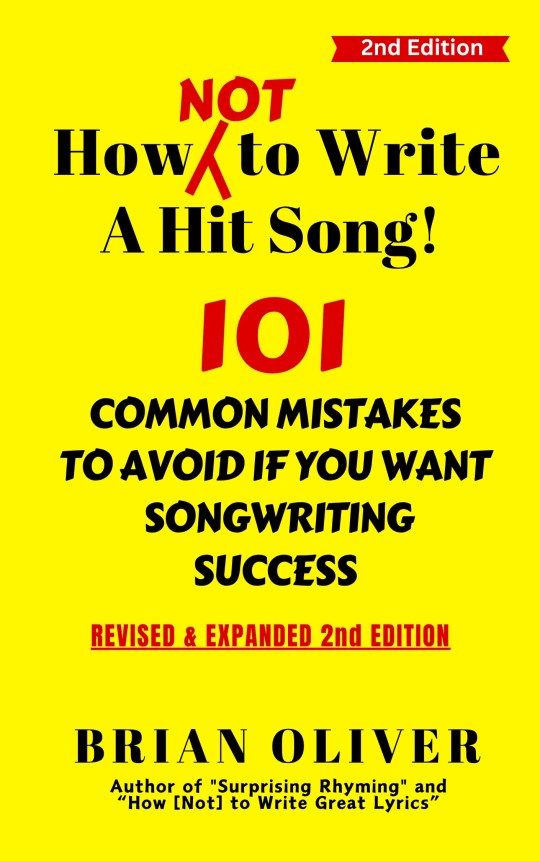
“How [Not] to Write A Hit Song! – 101 Common Mistakes to Avoid If You Want Songwriting Success” (2nd Edition) is available from Amazon as a US paperback, a UK paperback, a Canada paperback, an Australia paperback, an Ireland paperback, and across Europe.
It is also available as an eBook from Amazon’s Kindle store in the United States, the UK, Canada, Australia, and across Europe—as well as Apple Books, Barnes & Noble and Rakuten’s KoboBooks.
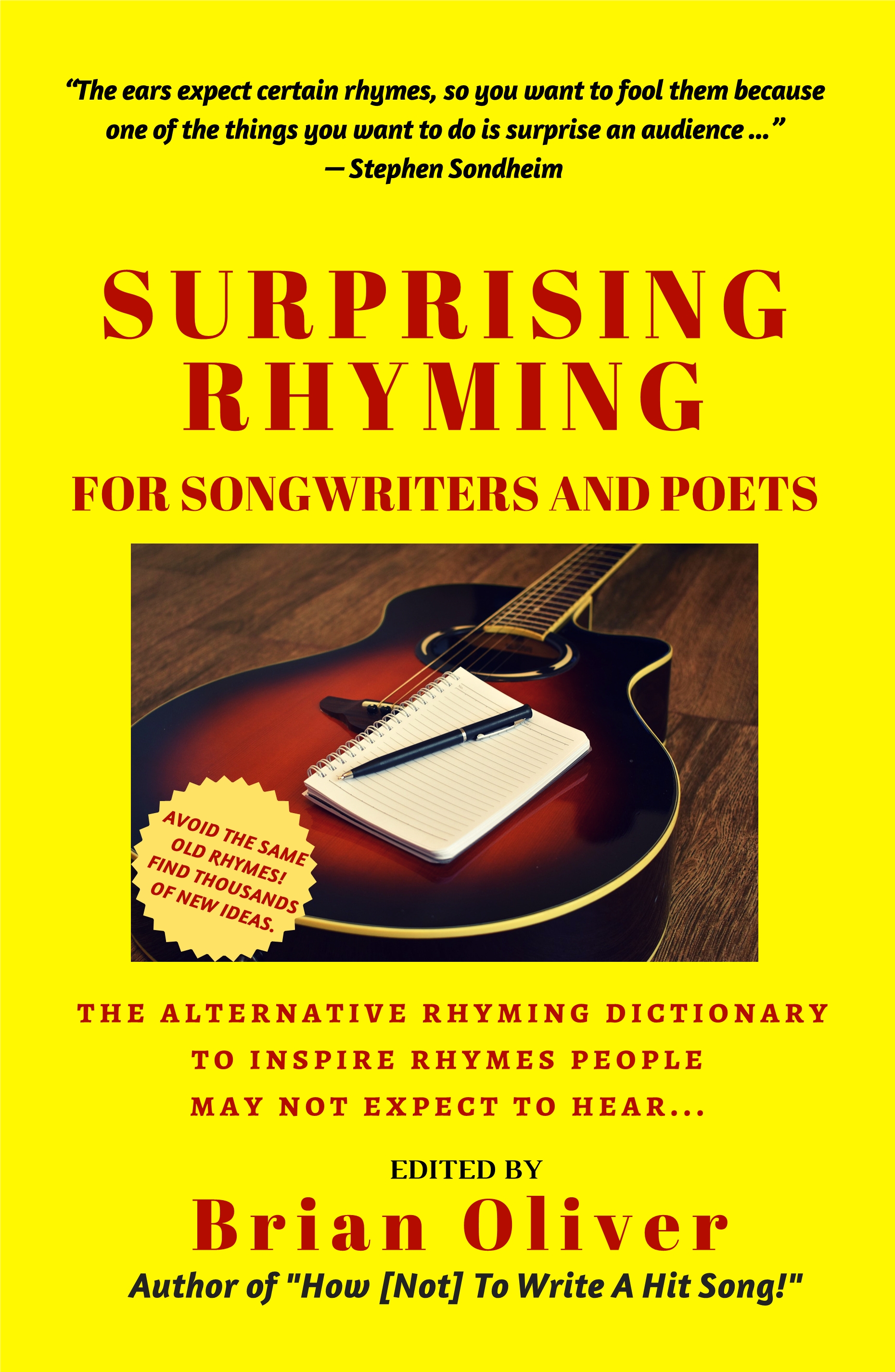 “SURPRISING RHYMING” – The Alternative Rhyming Dictionary for Songwriters and Poets – is available from Amazon as a US paperback, a UK paperback, and across Europe. It is also available as an eBook from Amazon’s Kindle store in the United States, the UK and Europe, and from Apple Books worldwide.
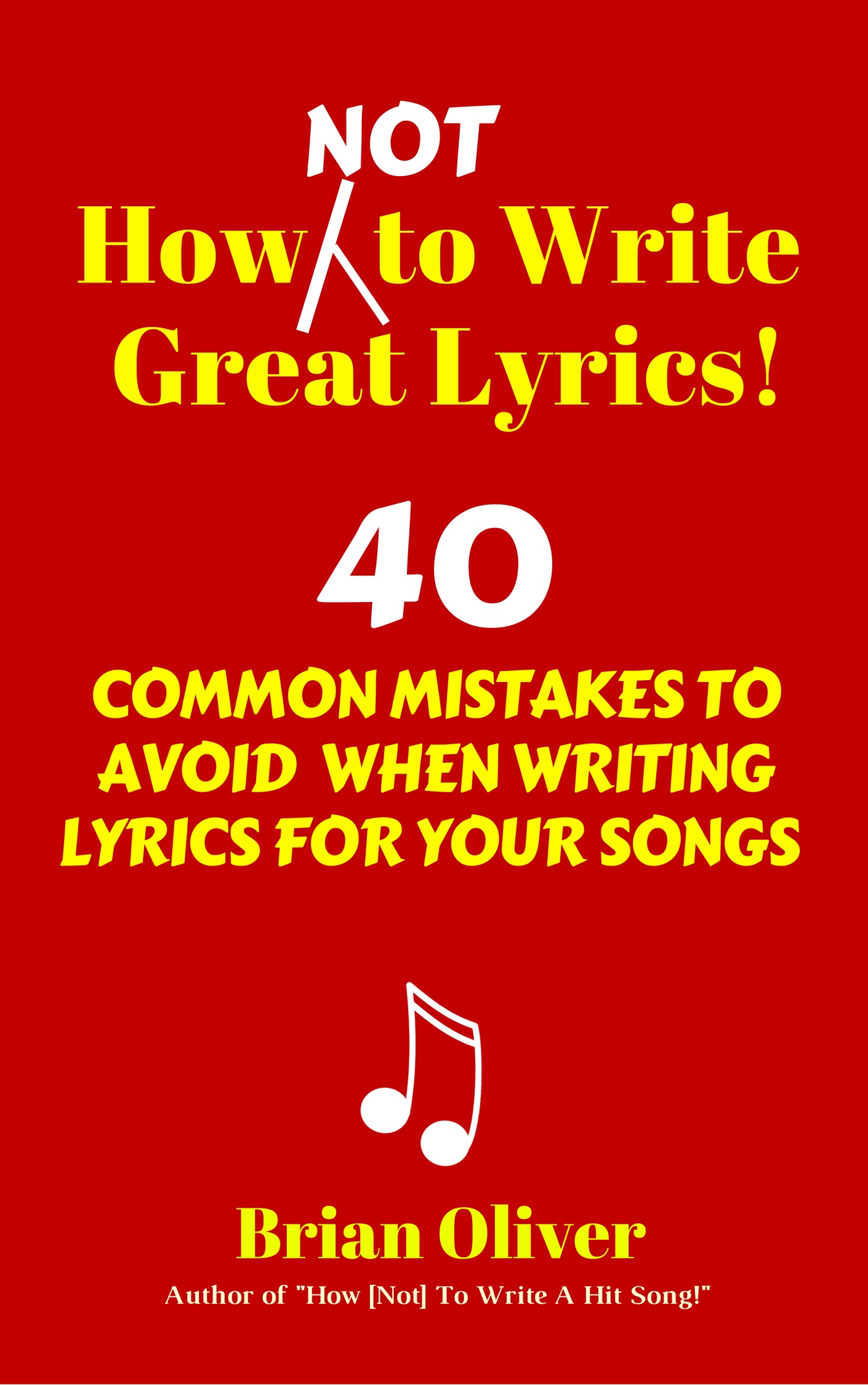 “How [Not] To Write Great Lyrics! – 40 Common Mistakes To Avoid When Writing Lyrics For Your Songs” is available from Amazon and Barnes & Noble as a US paperback, UK paperback and as an eBook from Amazon’s Kindle Store. It is also available from Apple’s iTunes Book Store, Barnes & Noble’s Nook store, and Rakuten’s KoboBooks.
Posted by thehitformula in Songwriting Ideas, Songwriting tips, Writing lyrics Tags: books about songwriting, entertainment, hit song formula, music, pop, rant bridges, songwriting advice, songwriting formula, songwriting ideas, songwriting mistakes, songwriting process, songwriting tips, Taylor Swift, writing, writing lyrics, writing the bridge